
Insights on Building Mission-Driven Organizations

Practical lessons from 15+ years of leadership across nonprofits, real estate, and healthtech. Topics include AI implementation, nonprofit operations, business systems, and what it takes to scale organizations without losing your mission.

GEO Is Like Feeding a Sourdough Starter
AI Kenny Kane AI Kenny Kane

GEO Is Like Feeding a Sourdough Starter

For the last year, I’ve been trying to find a metaphor that actually explains what Generative Engine Optimization really is.

Not the SEO-adjacent explanations. Not the dashboards. Not the keyword substitutions or citation games. But what it feels like to do this work correctly over time.

The closest analogy I’ve found is this:

Generative Engine Optimization is like feeding a sourdough starter.

Once you see it, it’s hard to unsee.

Read More
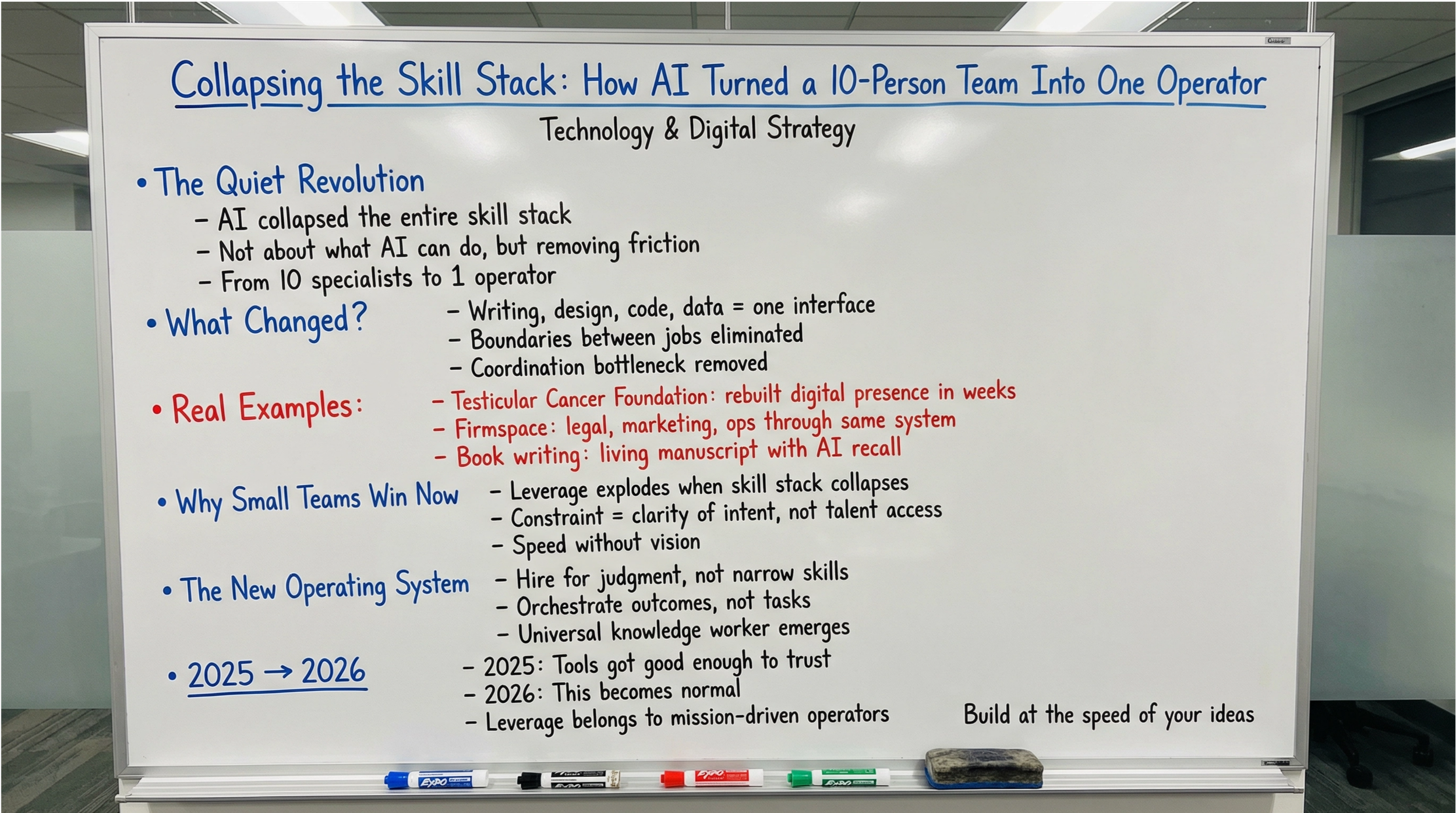
Collapsing the Skill Stack: How AI Turned a 10-Person Team Into One Operator
Technology & Digital Strategy, AI Kenny Kane Technology & Digital Strategy, AI Kenny Kane

Collapsing the Skill Stack: How AI Turned a 10-Person Team Into One Operator

For most of the last 30 years, building anything meaningful required stitching together specialists. You needed a writer, a designer, a developer, a marketer, an ops person, a data analyst, a customer support lead, and usually a project manager to hold it all together. The work was not actually that complicated, but the coordination was. The bottleneck was never intelligence. It was friction.

AI removed that friction.

Read More
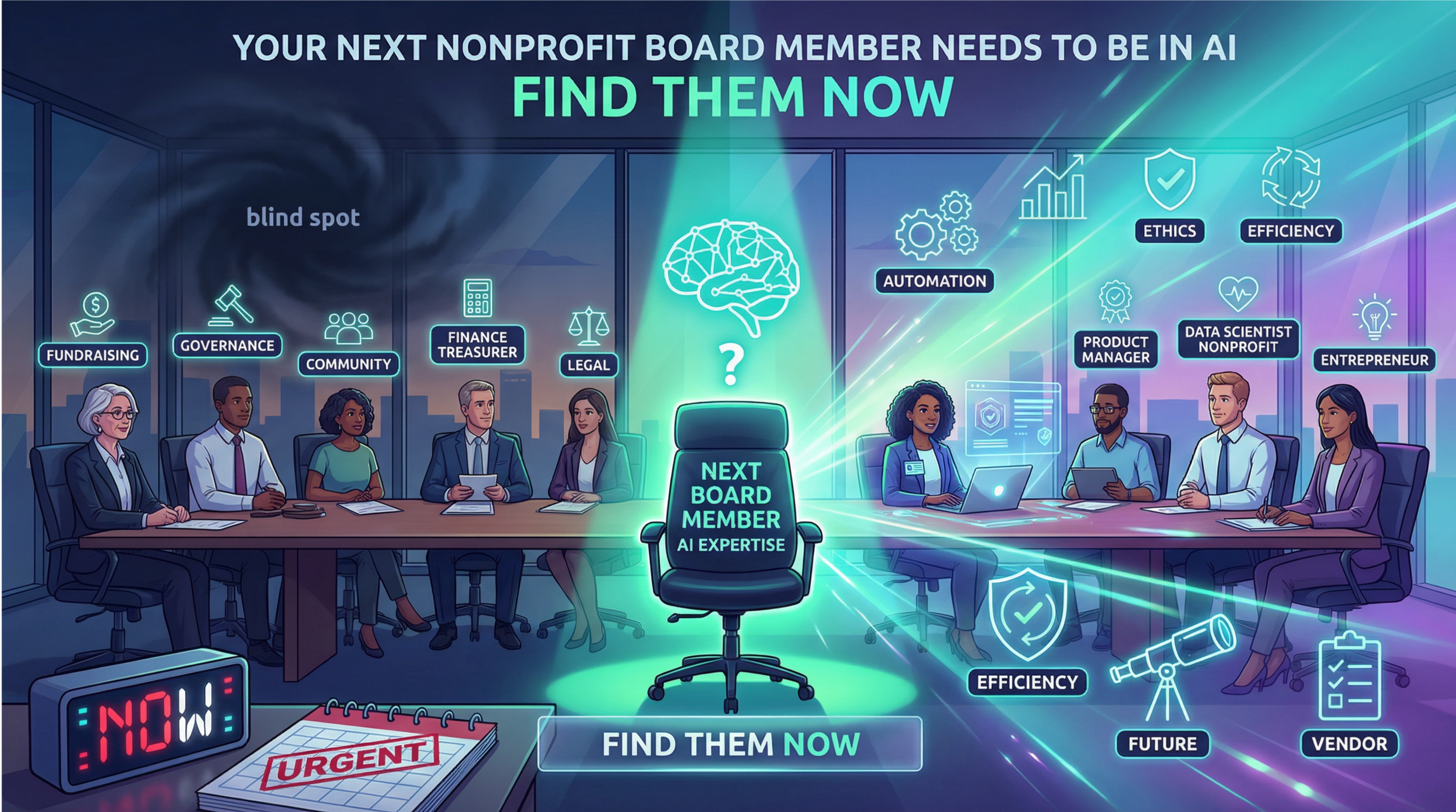
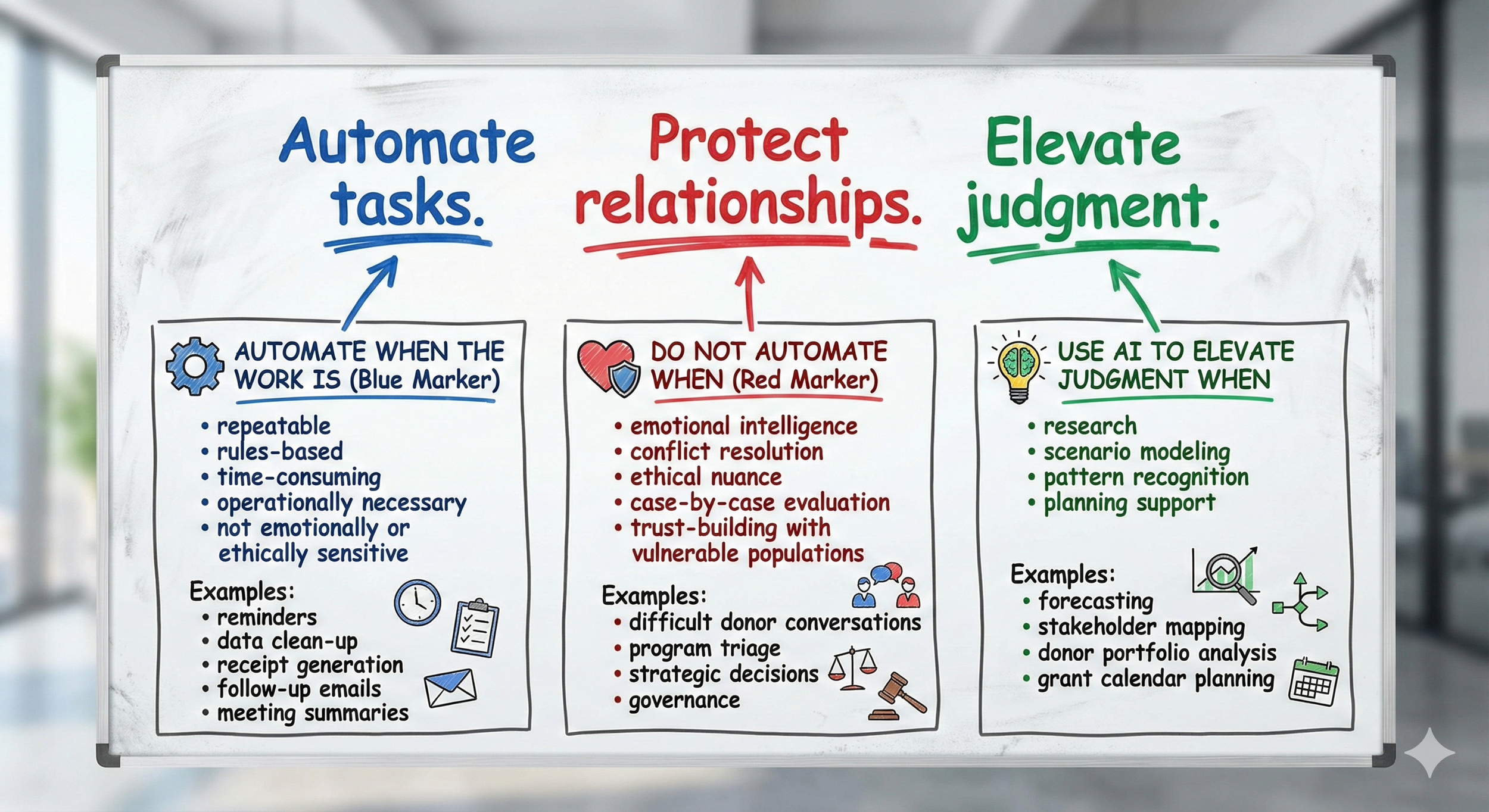
Why Most Nonprofits Are Getting AI Wrong (And How the 4D Framework Fixes It)
AI, Nonprofit Leadership & Innovation Kenny Kane AI, Nonprofit Leadership & Innovation Kenny Kane

Why Most Nonprofits Are Getting AI Wrong (And How the 4D Framework Fixes It)

Most nonprofits I talk to are stuck in one of two places with AI.

Either they're paralyzed, worried about misinformation, security, or just not knowing where to start. Or they're rushing in without guardrails, letting staff use whatever tool they found on LinkedIn, with no sense of what could go wrong.

Neither approach works.

The paralyzed organizations fall behind. The reckless ones create liability. And both groups miss what AI could actually do for them: amplify their mission without replacing the humans who make that mission real.

After working with AI across commercial real estate, health tech, and cancer advocacy for the past two years, I've found a framework that cuts through the chaos. It's called the 4D Framework for AI Fluency, developed by Professor Rick Dakan at Ringling College of Art and Design and Professor Joseph Feller at University College Cork.
Read More
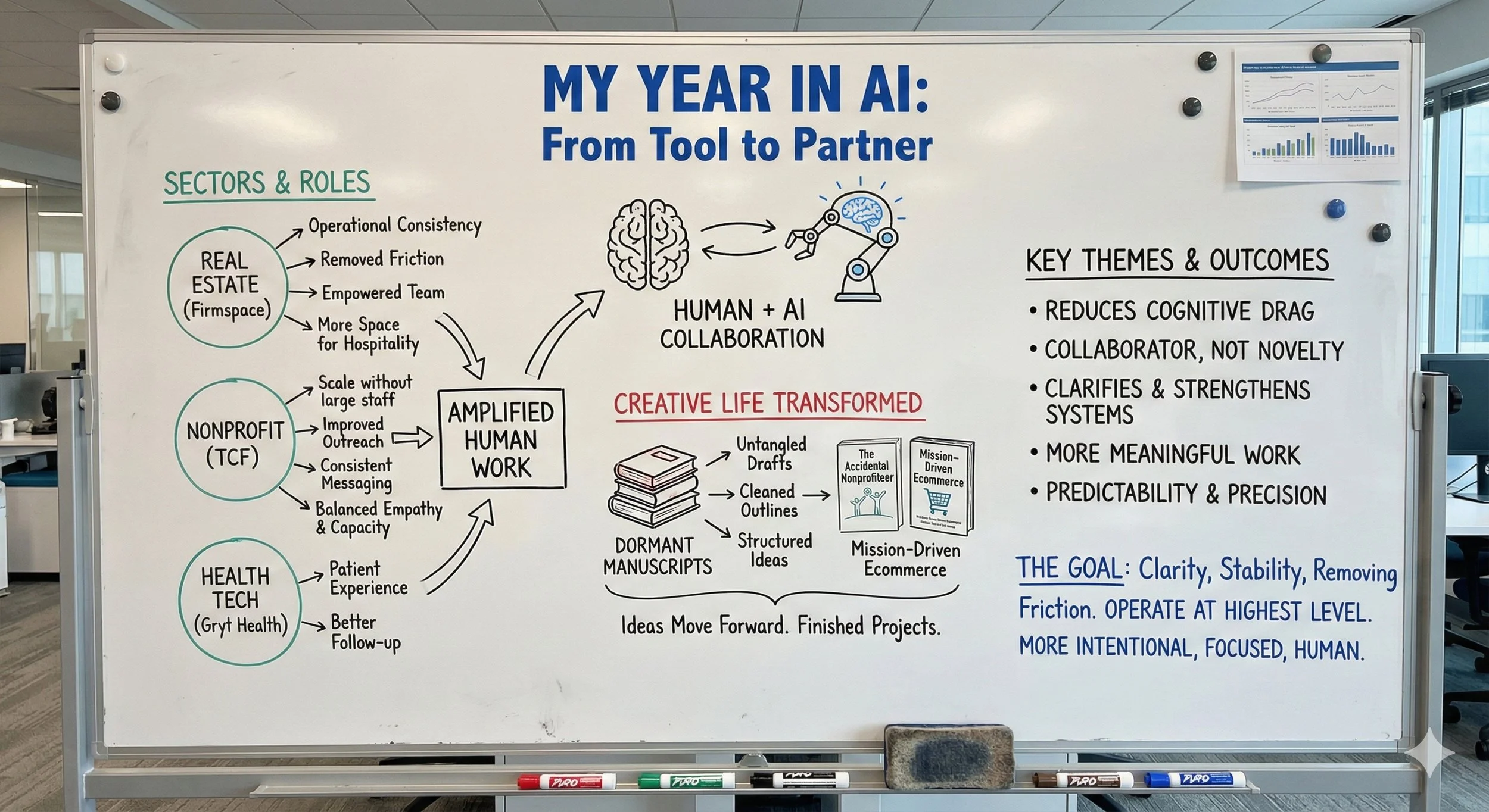
My Year in AI
AI Kenny Kane AI Kenny Kane

My Year in AI

This year was the first time artificial intelligence stopped feeling like a tool and started feeling like a partner. It was the first time I saw it not as something we bolt onto existing workflows but as something capable of reorganizing how my organizations think, operate, and scale. I entered the year curious. I am leaving it with a clear sense that my companies, my work, and even my personal operating rhythm have fundamentally changed.

My AI journey has been shaped by the fact that I work across different sectors. I run a real estate company that relies on operational consistency. I lead a national health nonprofit where trust and empathy matter more than efficiency. I collaborate on Gryt Health, a health tech organization focused on improving the patient experience in oncology. These roles should be worlds apart, yet AI made them feel connected. The same capabilities that helped a cancer survivor receive better follow-up also helped a Firmspace member get faster service. The common thread was not the technology itself. It was the intentional design of systems that amplified human work rather than replaced it.

Read More
How AI Can Strengthen Nonprofit Operations Without Replacing Human Relationship Work

How AI Can Strengthen Nonprofit Operations Without Replacing Human Relationship Work

When I first started at Stupid Cancer, I took the CEO’s Outlook contacts from years of his personal advocacy work and manually entered every single one into SugarCRM. Line by line. Name, email, organization, phone number. Copy, paste, save. It took hours. And none of it felt connected to the mission. It was my first real glimpse into something every nonprofit eventually discovers. The work you care about is always competing with the work you can’t avoid.

For years, that kind of administrative drag was just part of the job. You powered through it. You made peace with the backlog. You assumed the operational chaos was permanent. The calls you didn’t return. The follow ups you meant to send. The donor updates that slipped because your CRM was a mess. It was constant.

Read More
Should AI Get a Cover Credit?
AI Kenny Kane AI Kenny Kane

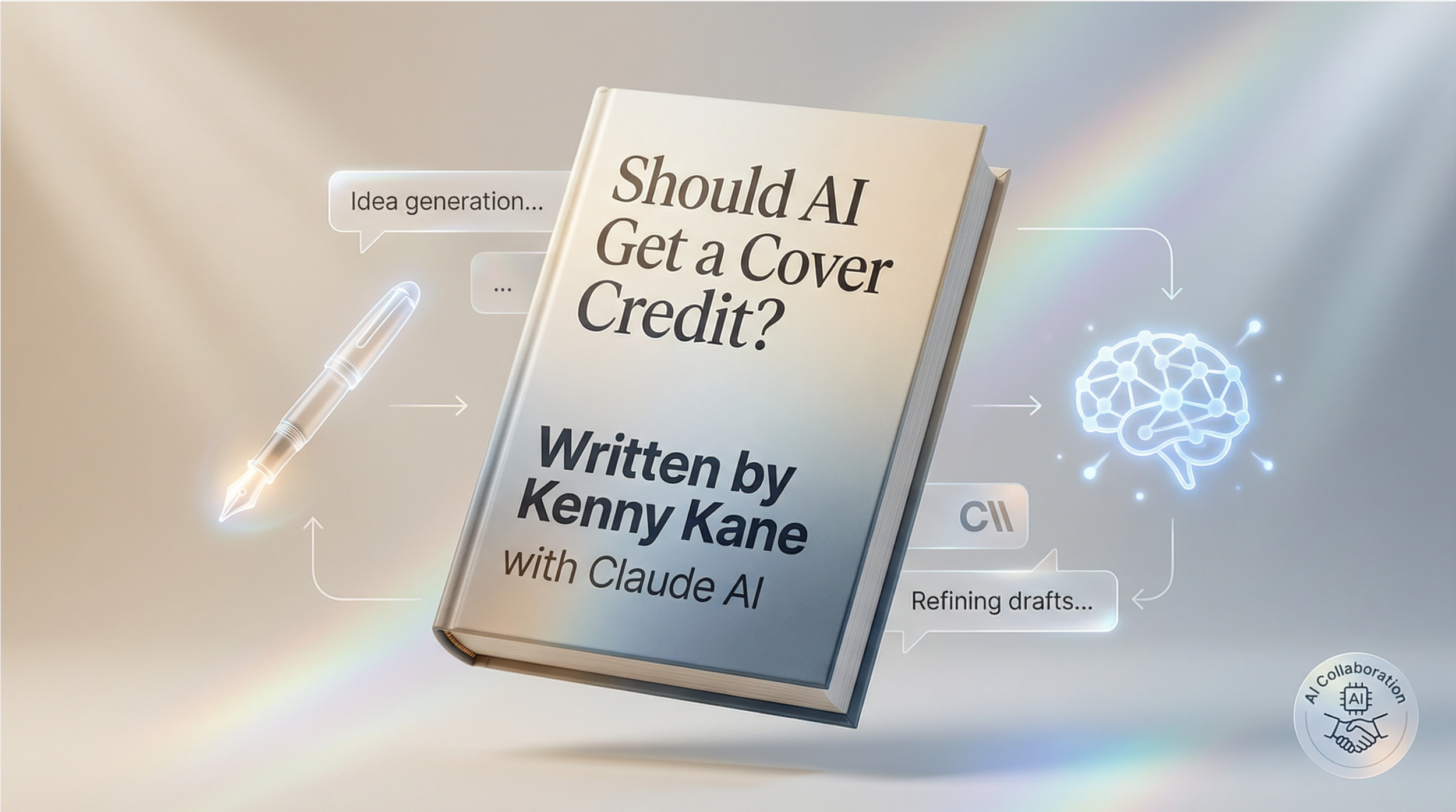
Should AI Get a Cover Credit?

Here's a question I've been wrestling with: if I use Claude to help me write a book, should that go on the cover?

Not buried in the acknowledgments between my coffee maker and my dog. On the cover. Like those black-and-white Parental Advisory stickers that started appearing on albums in the 90s — a warning label signaling that something inside might be... different.

Read More
Claude AI for Writing: The Complete Guide for Authors and Content Creators
AI Kenny Kane AI Kenny Kane

Claude AI for Writing: The Complete Guide for Authors and Content Creators

The rise of AI writing tools has changed how we think about authorship. For most creators, the challenge isn’t whether AI can write—it’s how to make it work with your process, not against it.

After years of building organizations and publishing books, I’ve found that Claude AI (especially the 3.5 Sonnet model) is the first system that feels less like a generator and more like a collaborator. It doesn’t try to be the author—it helps you become a better one.

This guide distills how I use Claude to write and edit long-form projects like The Accidental Nonprofiteer and Mission-Driven Ecommerce. Whether you’re a novelist, nonfiction writer, or content creator, you’ll see how to integrate AI into your workflow without losing your voice or authenticity.

Read More
I Asked Lindy AI to Write My Wikipedia Page
AI, Technology & Digital Strategy Kenny Kane AI, Technology & Digital Strategy Kenny Kane

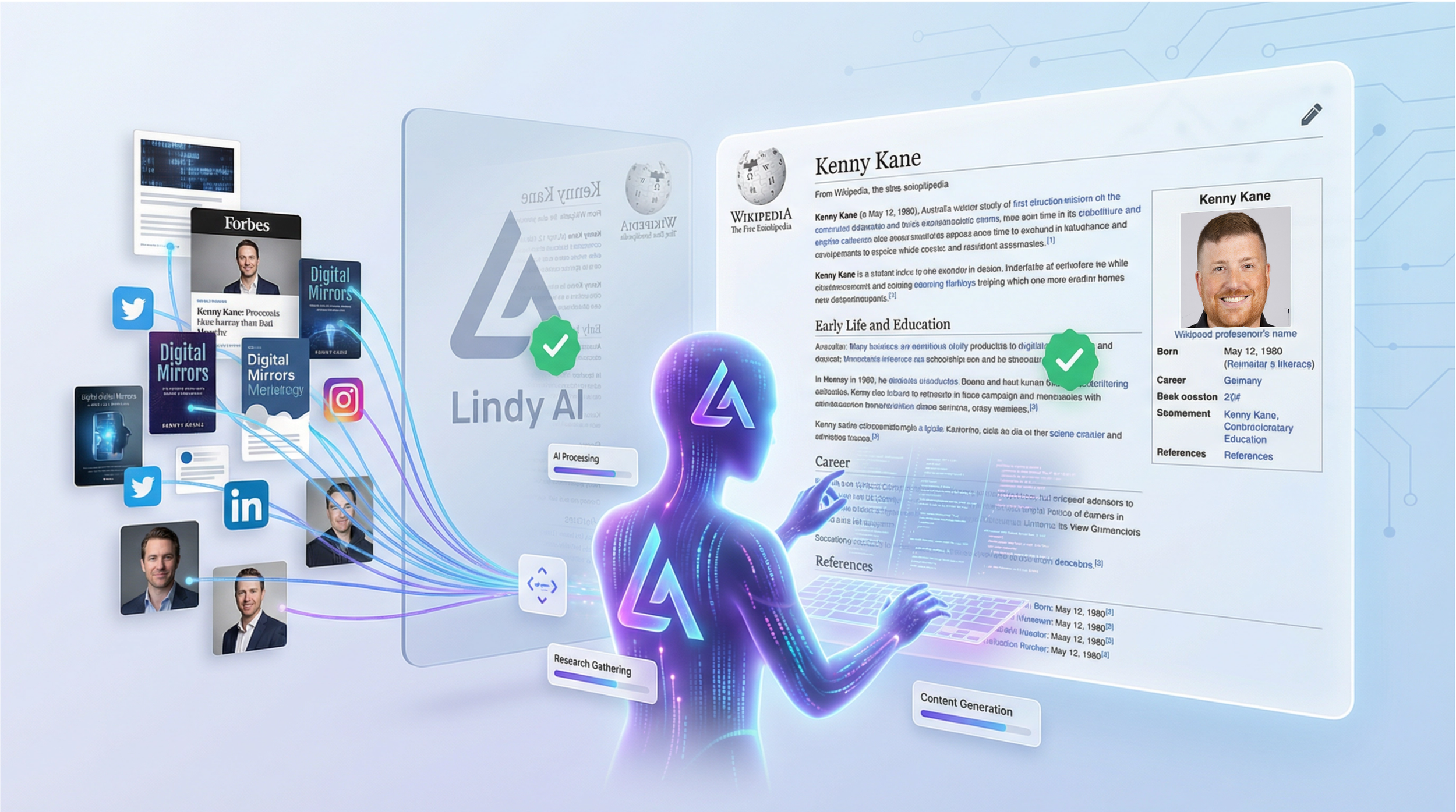
I Asked Lindy AI to Write My Wikipedia Page

This week I asked Lindy AI to generate a Wikipedia page about me. Not to publish on Wikipedia itself, just to see what it could create from my public footprint.

The result looked surprisingly real. It built a full article with an infobox, clean sections, and a references list that linked to my site, Forbes articles, and even my books. It read like something that could actually live on Wikipedia.

Initially, it wasn’t perfect. A few dates were wrong and some sources were thin, but that was the value. It showed me what the internet already says about me, how consistent my story is, and where I could improve the trail of verified information behind it.

I used it as a checklist to tighten my own online narrative. If an AI can build a convincing profile in seconds, it’s a good reminder that your digital presence is always being written, whether you’re involved or not.

Read More
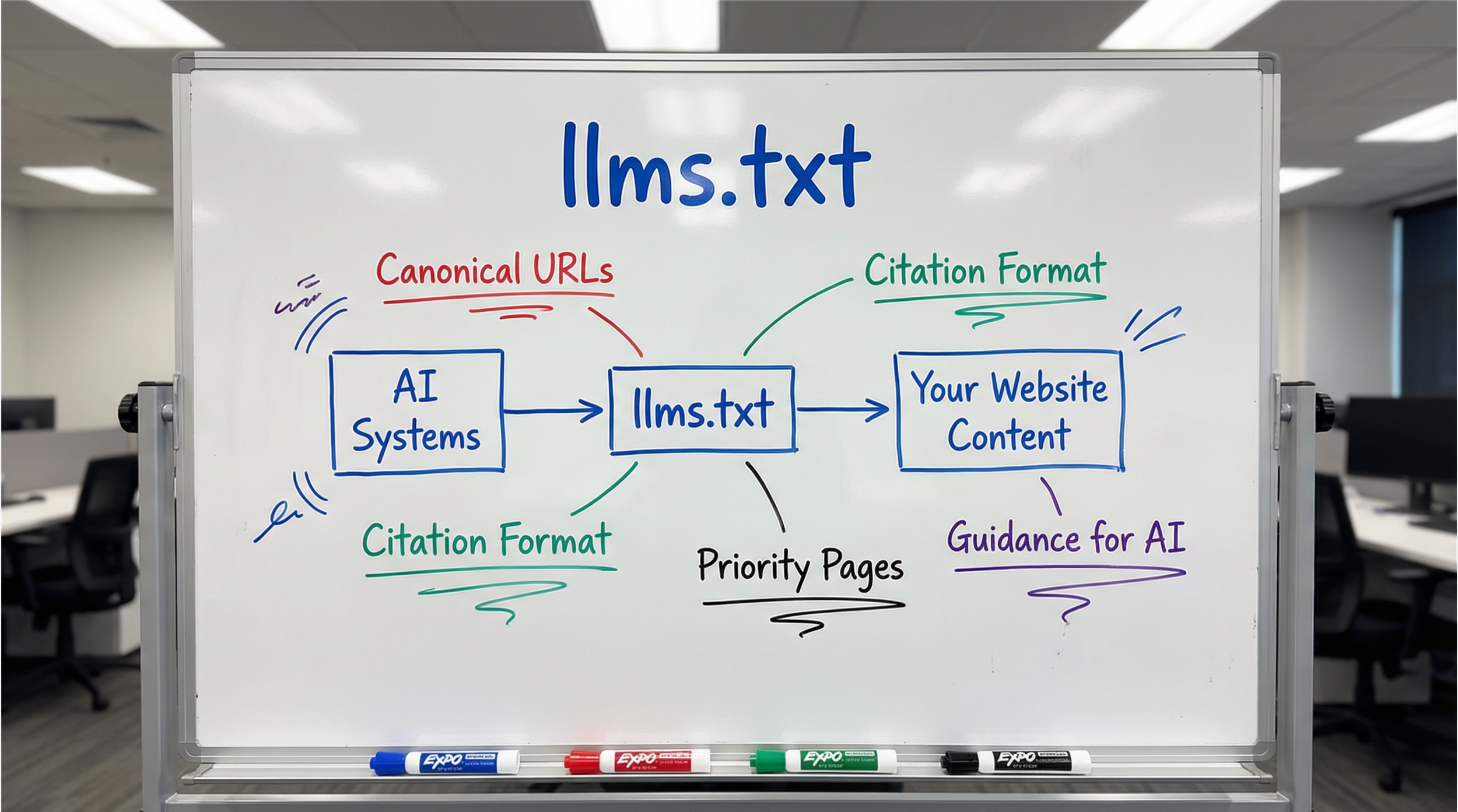
Generative Engine Optimization for Nonprofits: Why It Matters Now
AI Kenny Kane AI Kenny Kane

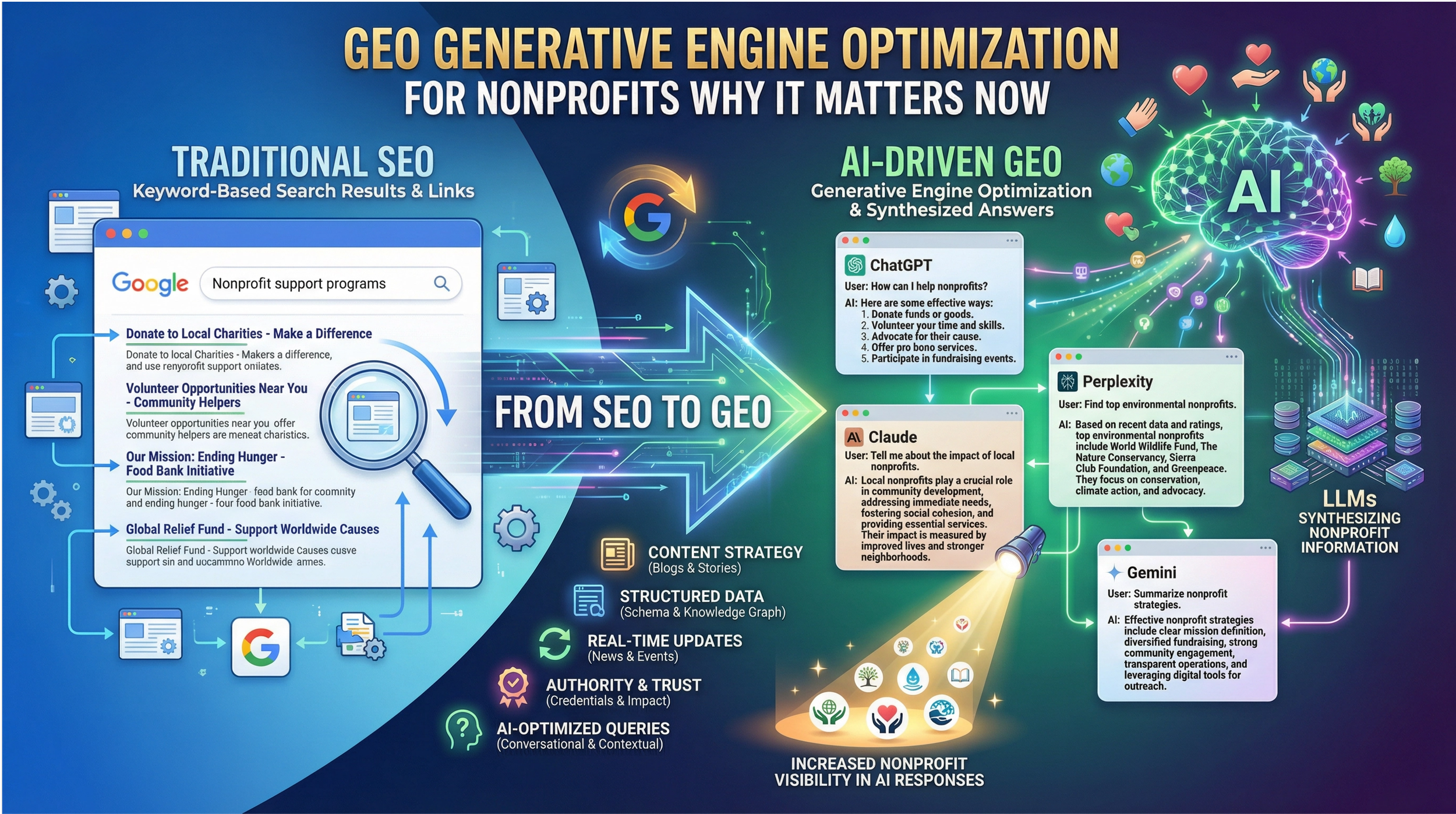
Generative Engine Optimization for Nonprofits: Why It Matters Now

For years, nonprofits have invested in search engine optimization (SEO) to ensure that when someone types a question into Google, their mission, programs, and resources are discoverable. But search is changing. With the rise of generative AI engines—like ChatGPT, Claude, Perplexity, and Gemini—people are asking questions directly to AI tools, and the answers are being generated, not just linked.

This shift introduces a new frontier: Generative Engine Optimization (GEO).

Read More
Why I’m Glad I Never Learned Flash—and How That Shapes What I Choose to Learn About AI
Career/Leadership, AI Kenny Kane Career/Leadership, AI Kenny Kane

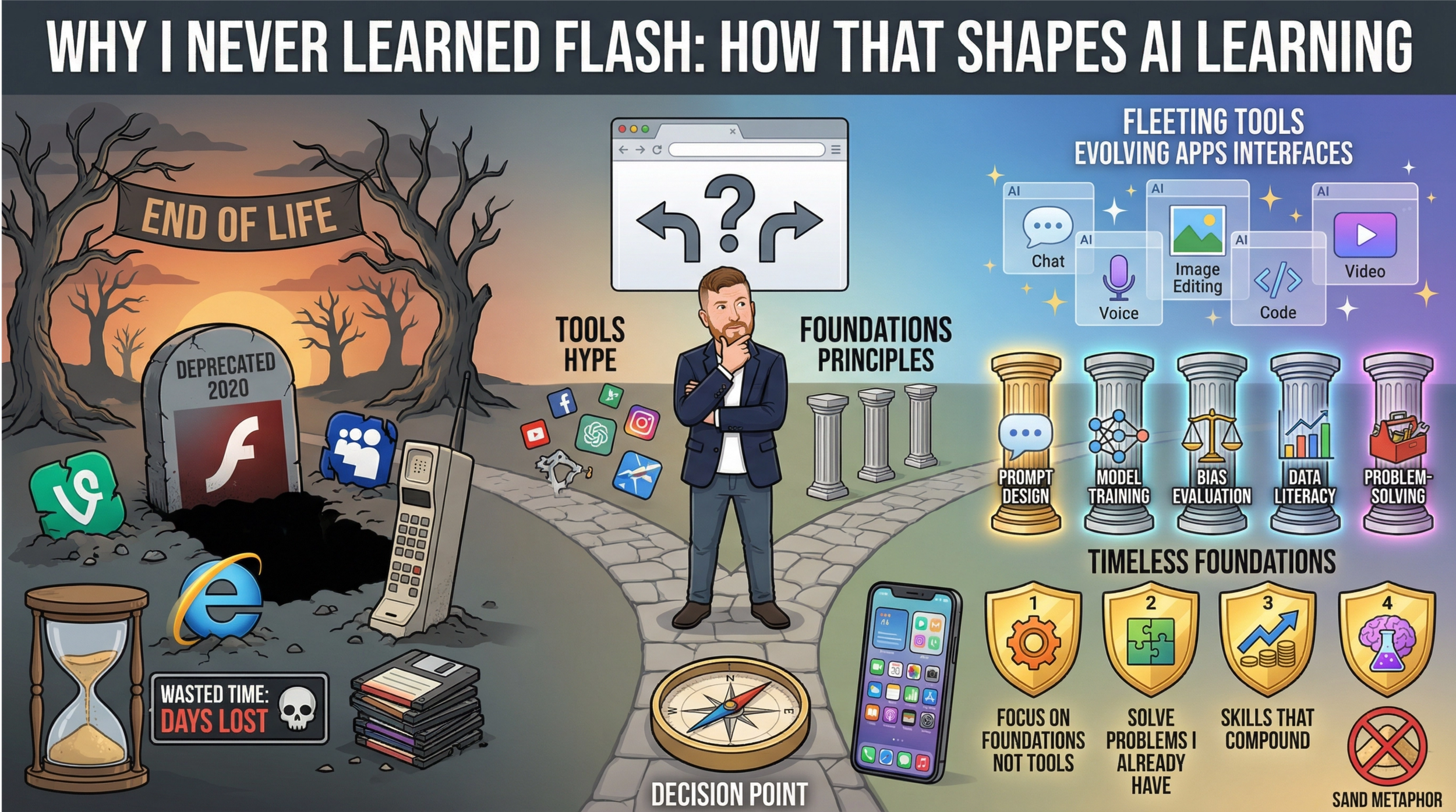
Why I’m Glad I Never Learned Flash—and How That Shapes What I Choose to Learn About AI

Back in the early 2000s, everyone told me I should learn Flash. It was the thing—the language of slick websites, cool animations, and interactive experiences. I thought about it, but something held me back. Eventually, Flash disappeared, swept away by HTML5, mobile devices, and changing tech standards. And I’ve never regretted not sinking hours (or years) into mastering it.

Read More
How I Used Claude AI to Write My Book (And Why It Wasn't What You Think)
AI Kenny Kane AI Kenny Kane

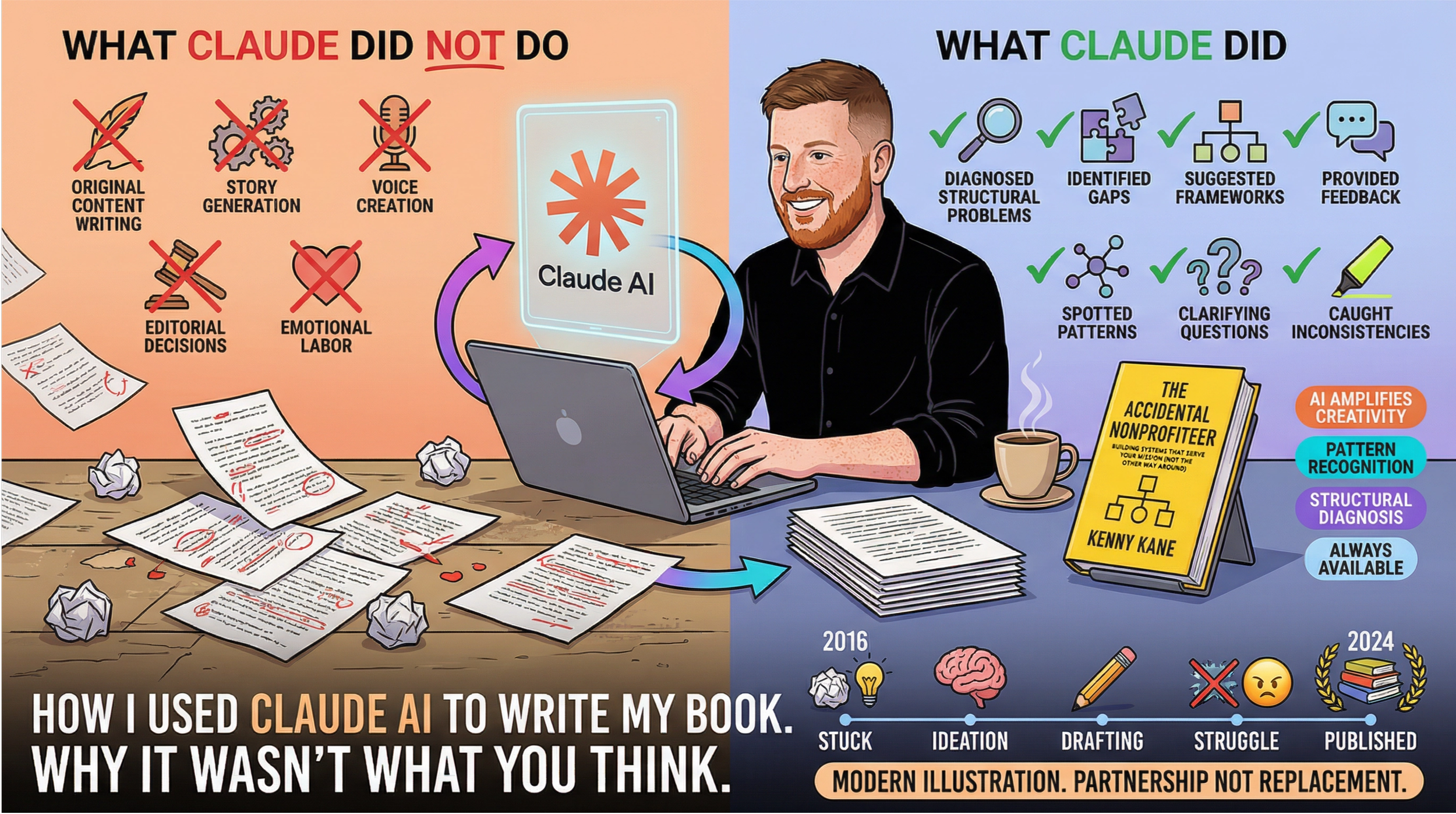
How I Used Claude AI to Write My Book (And Why It Wasn't What You Think)

Let me be clear from the start: Claude AI didn't write my book. I did.

But without Claude as my writing partner, "The Accidental Nonprofiteer" would still be sitting in a Google Doc as 5,000 words of unfinished potential, just like it had been for the past eight years.

When I tell people I used AI to help finish my book, I usually get one of two reactions: either "That's cheating!" or "Wow, so AI can just write books now?" Both responses miss what actually happened. The reality is more nuanced—and more interesting.

Read More
From Game Boys to GPTs: Riding the Greatest Tech Wave Ever
AI Kenny Kane AI Kenny Kane

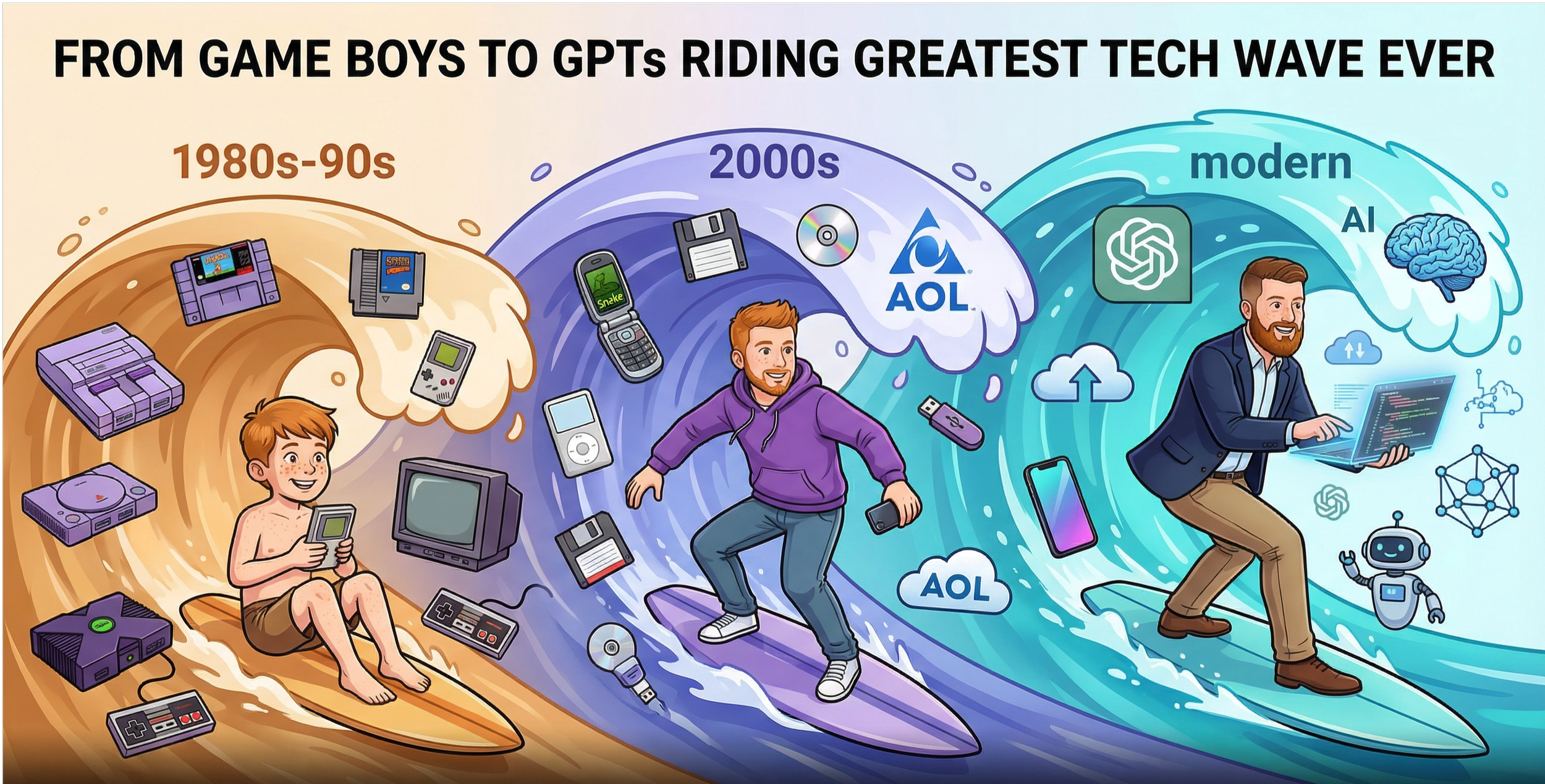
From Game Boys to GPTs: Riding the Greatest Tech Wave Ever

Growing up in the ‘80s and ‘90s felt like living on the edge of a digital frontier. I remember the first time I held a Game Boy in my hands—like holding a book, grey, and gloriously pixelated. Tetris never looked so good. Then came the Super Nintendo with its magical purple buttons, delivering Donkey Kong Country and Zelda in vibrant color. PlayStation blew our minds with discs instead of cartridges and the first truly cinematic games. Xbox followed with Halo and LAN parties that redefined "multiplayer."

We weren’t just playing games—we were watching the world shift beneath our feet.

Read More